
Owl Song Sanctuary
Becoming the People
This Time Requires
We are living through a time that demands we be ready to change. These times are asking us to become capable of tending life, capable of relationship, capable of surviving and belonging in ways that generations of displacement, extraction, and forced forgetting have made difficult to access. This kind of change can not be conceptualized, it must be put into practice in the body, with each other, and on land.
This is what Owl Song Sanctuary is for.
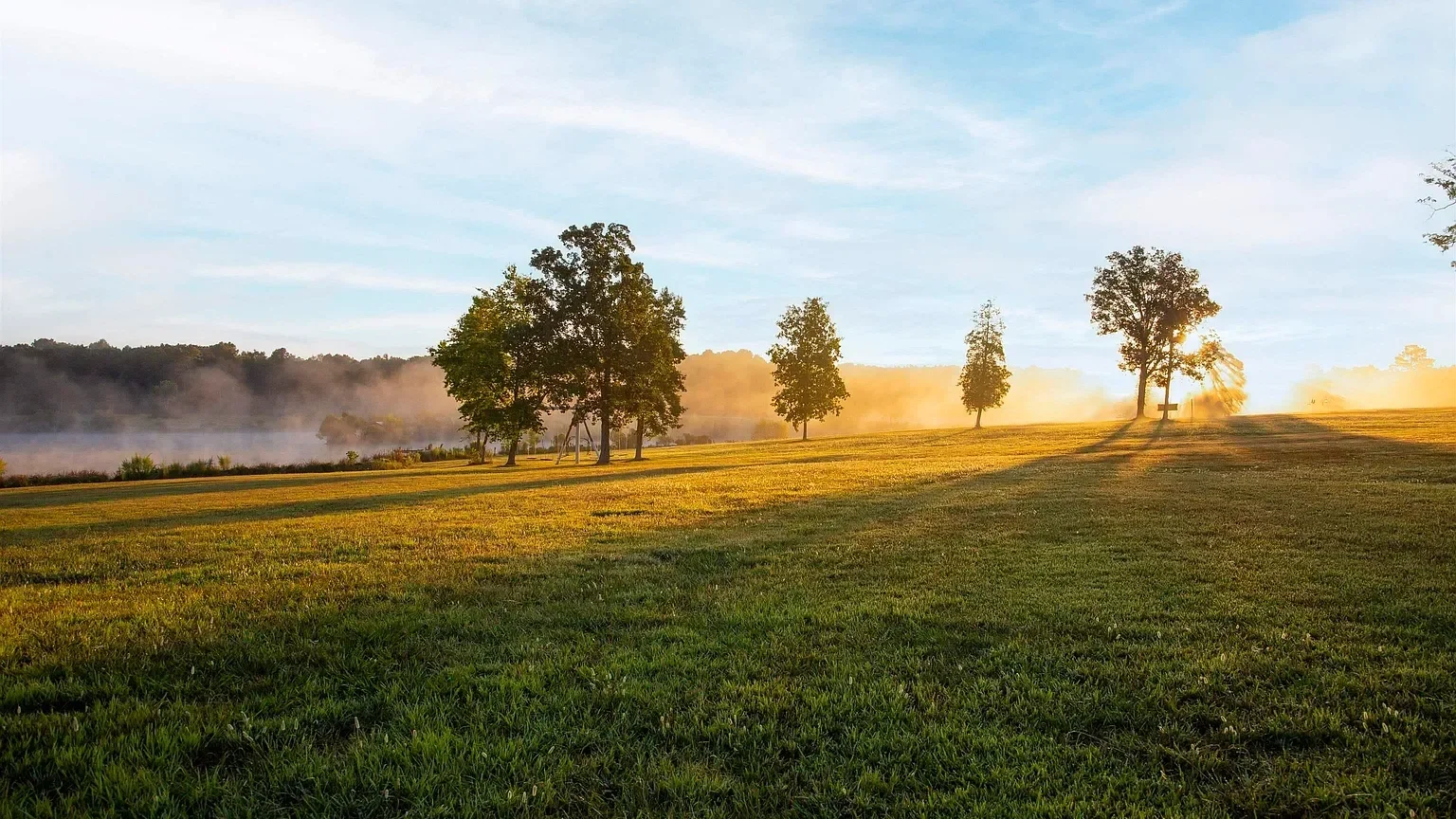
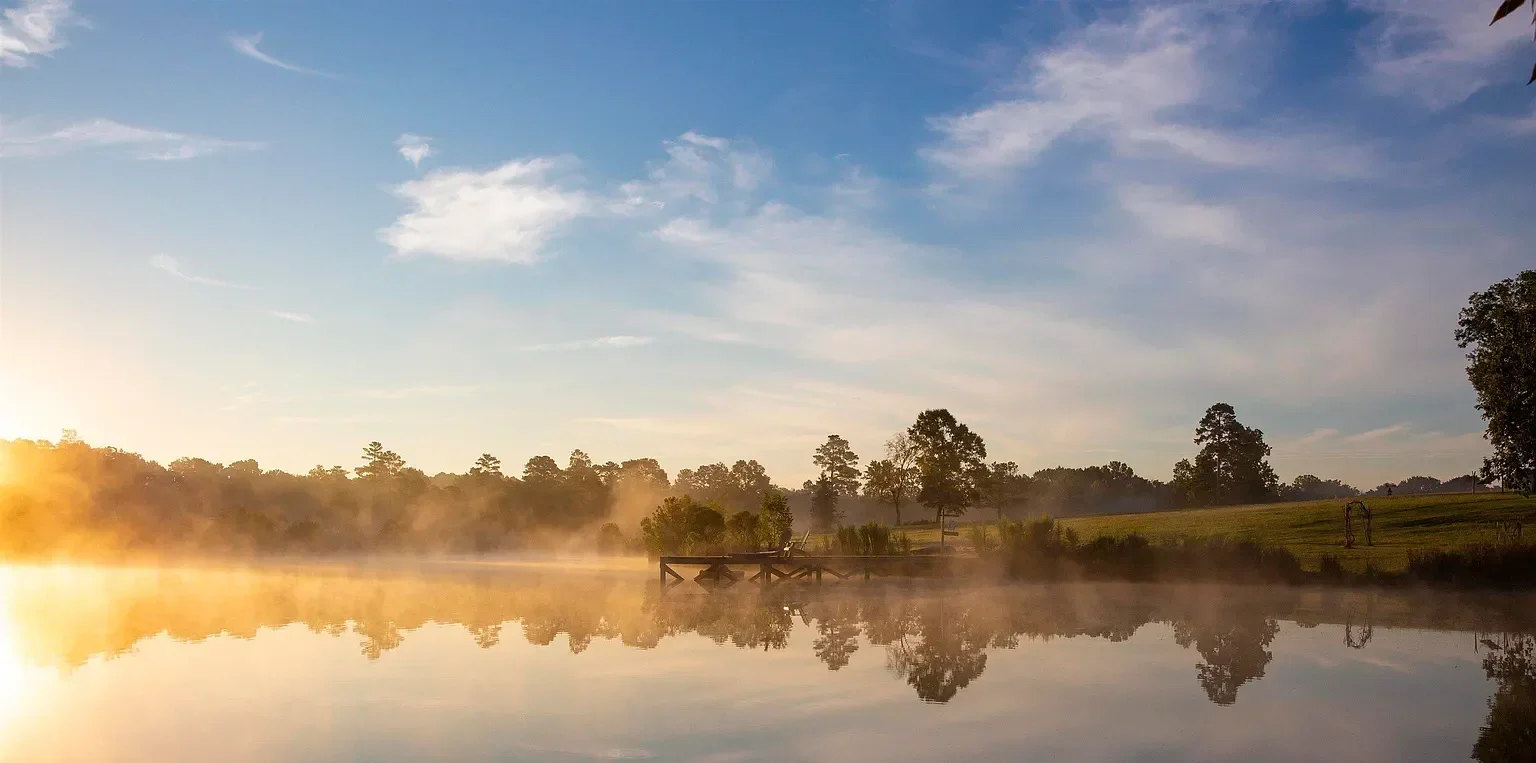
We named this place for the call of the barred owl that lives in these woods. When Harriet Tubman traversed these lands, she mimicked the call of the barred owl to signal it was safe to join her on the road to freedom. Her relationship with the land made possible safe passage for so many through dark times into liberation.
This is a place where we reclaim our relationship to the land and regain freedom in our bodies. This place is a practice ground for learning the skills we need to sustain life and become the people for this time.
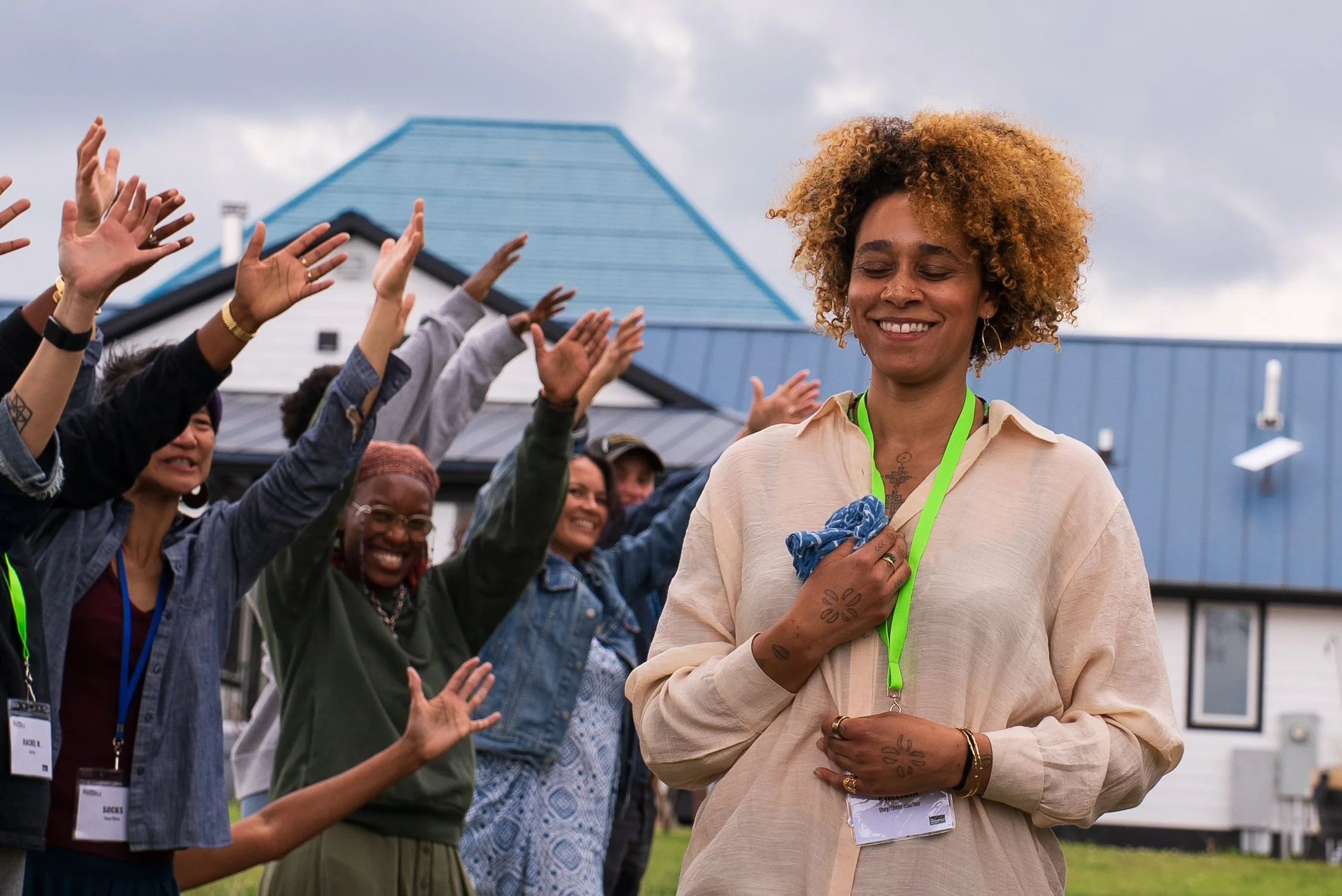
Building the Skills This Time Requires
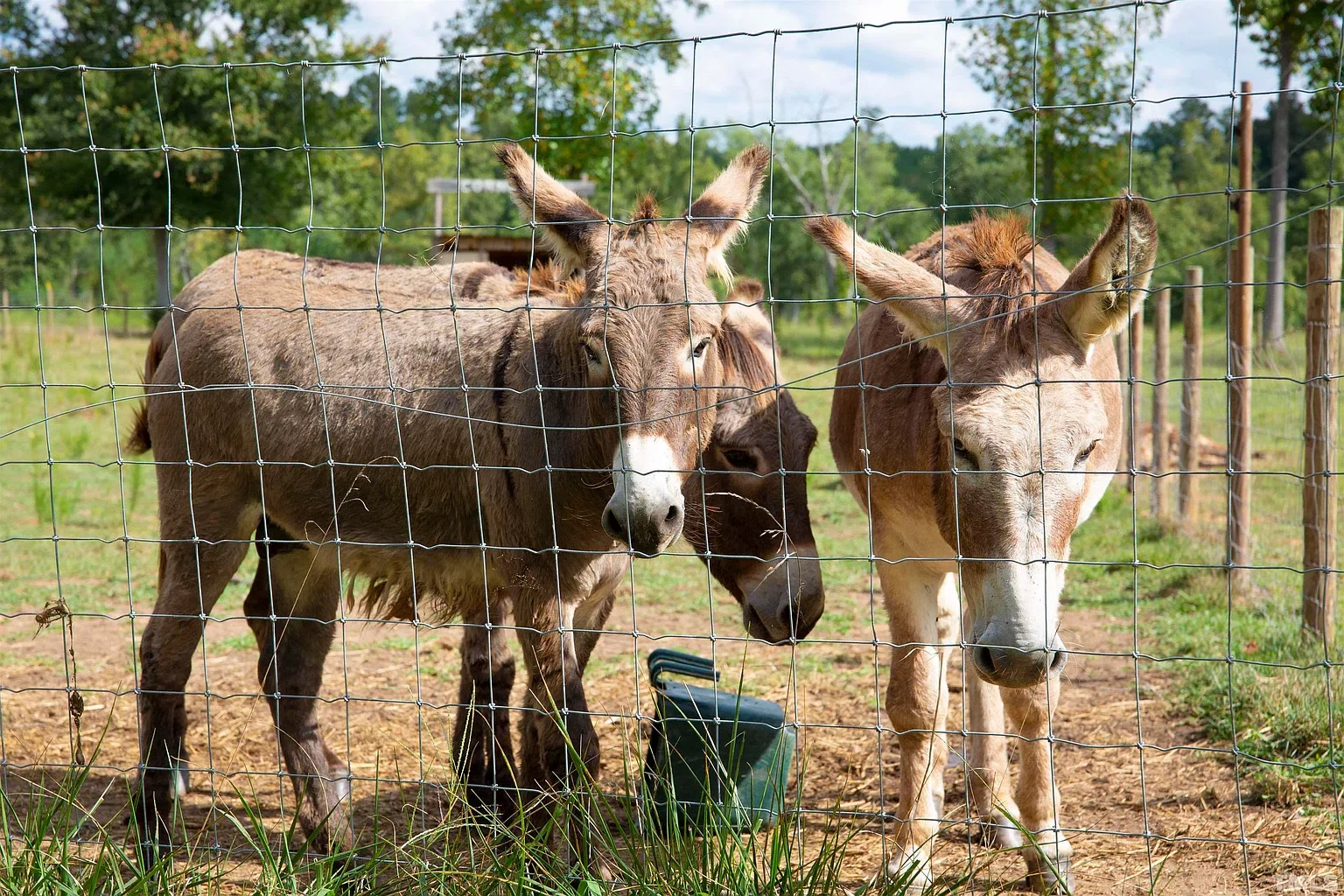
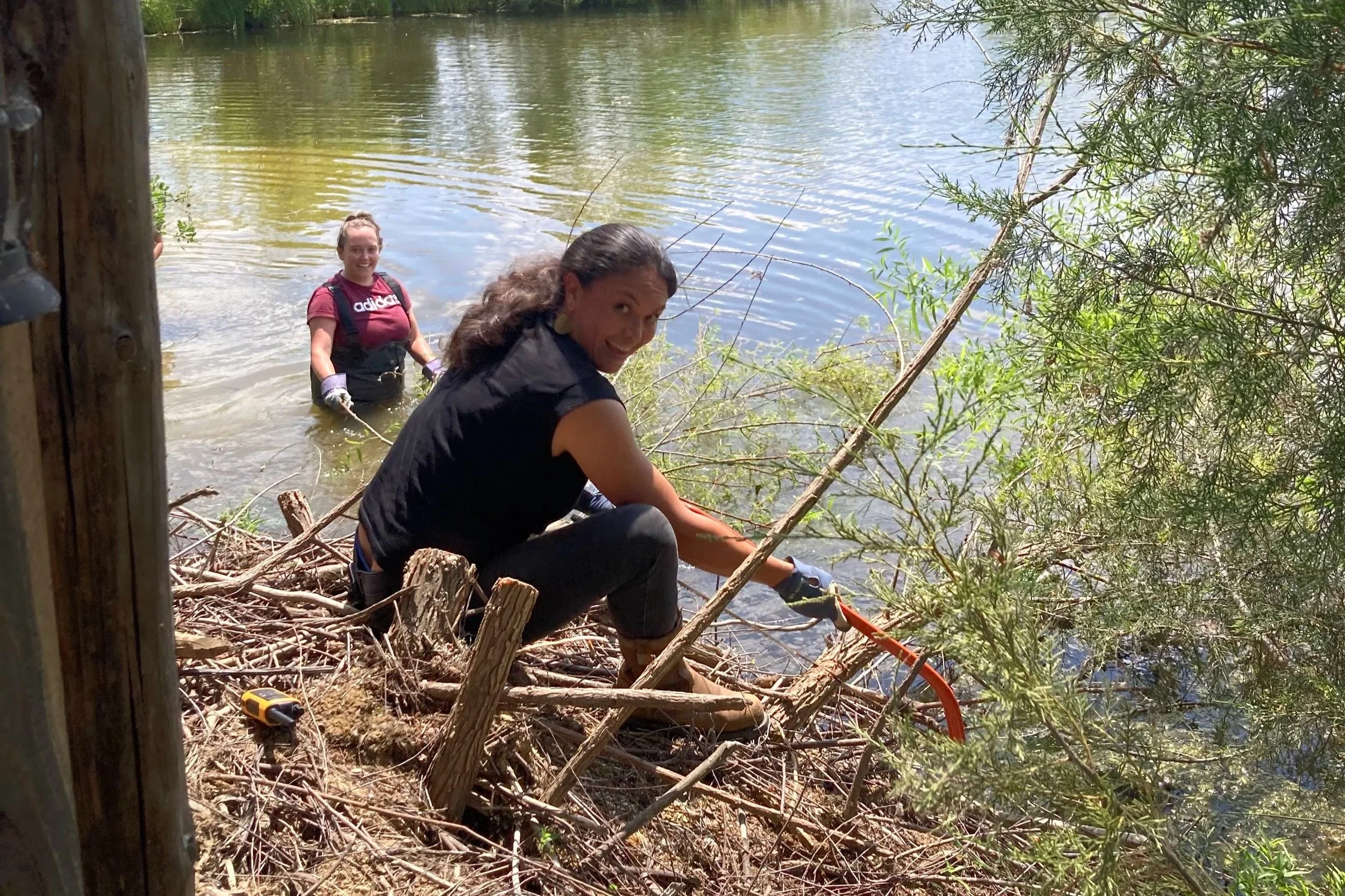
Right relationship with land
Owl Song is where we practice a different relationship, one of reciprocity rather than extraction, so that healing isn't confined to the therapy room or the workshop but extends into how we live on the earth, how we are in our relationships, and how we build and rebuild systems for our future.
Survival and interdependence
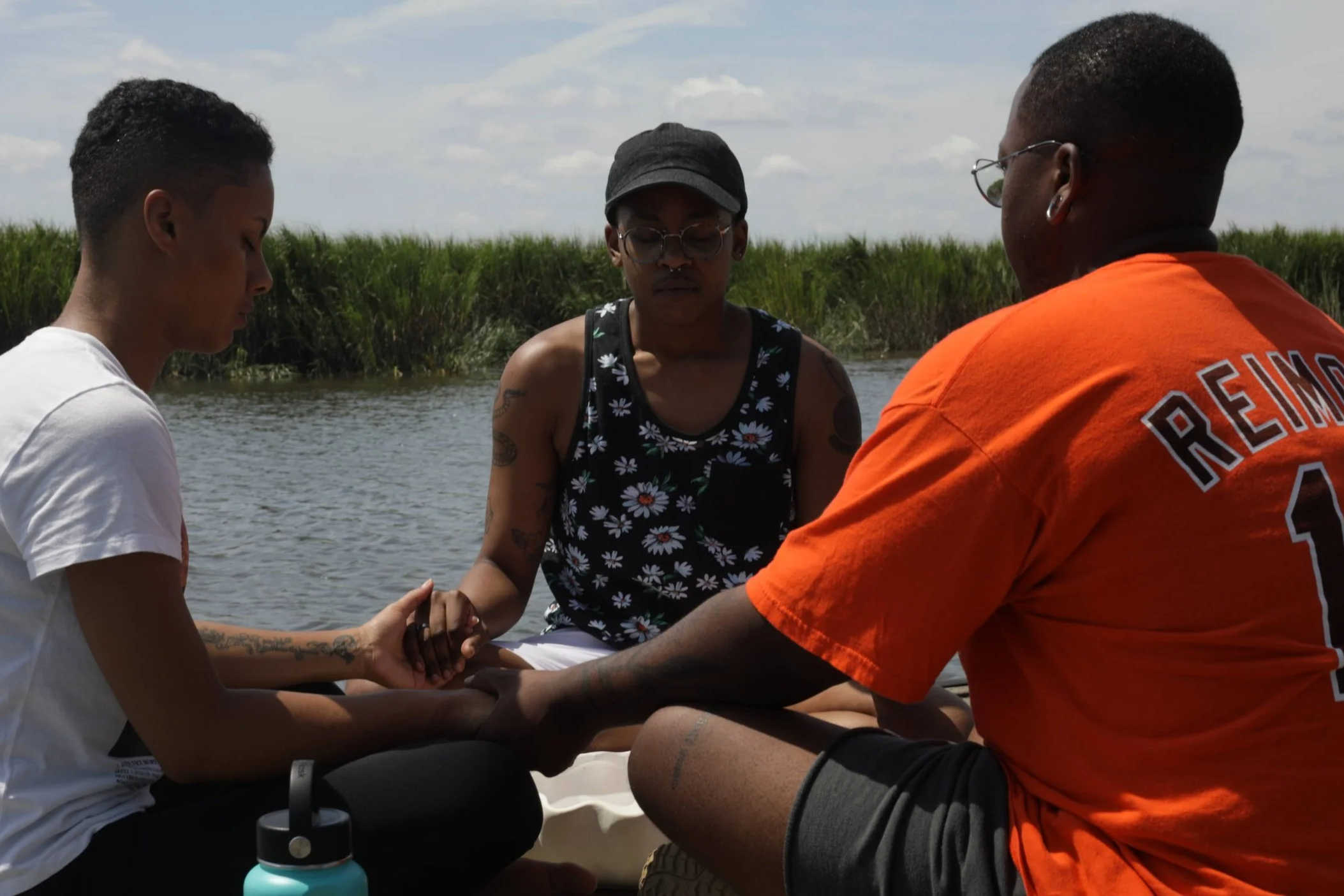
Owl Song is a place to relearn interdependence with our hands, not just our ideas: how to grow food, how to clean and use water, how to build shelter, how to make decisions together, how to move through conflict without severing relationship. These are the skills that will determine how well we meet the disruptions ahead, and they can only be relearned by doing them, together, on land that will hold our mistakes and our practice.
Restoring the sacred in the mundane
Part of what was taken from us was permission to feel the sacredness already present in ordinary life: the miracle of a seed becoming food, the passage of a life into death and back into soil, the small rituals that mark change and loss and arrival. Owl Song gives us room to slow down enough to notice these cycles and to build practices, ceremonies, and rhythms that honor them. Restoring the sacred to the mundane is part of what makes us capable of showing up whole, in our relationships and in our work in the world.
History and legacy of this place
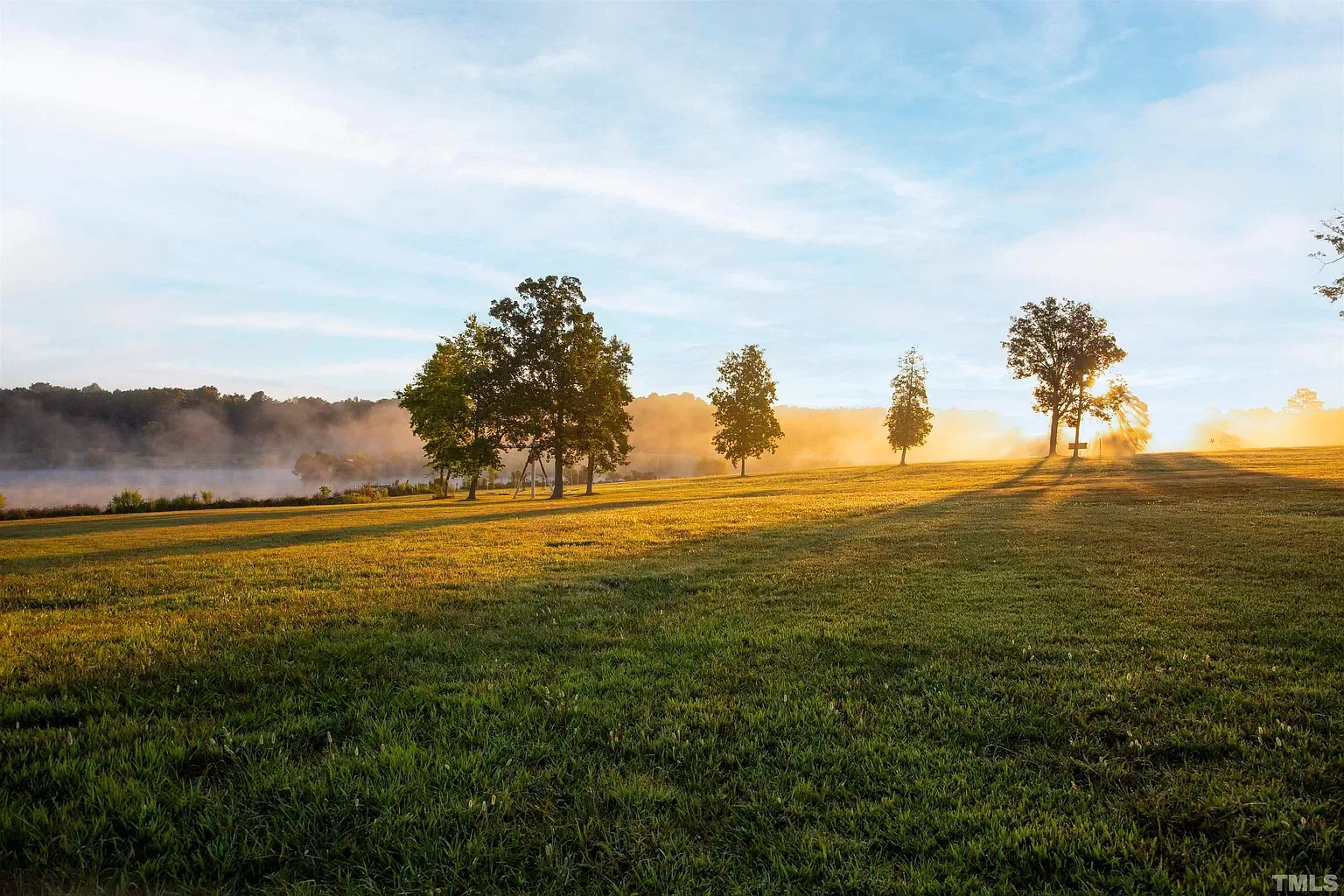
Owl Song resides on land that carries the weight and legacy of former plantations, on ancestral homelands of Indigenous peoples who were displaced from it, and within the broader Southern landscape shaped by the struggle for freedom. We do not steward this place by pretending that history isn't present in the soil. We steward it by learning to hold that history with honesty, grief, and love, and by letting it inform how we build something new together.
History and legacy of this place
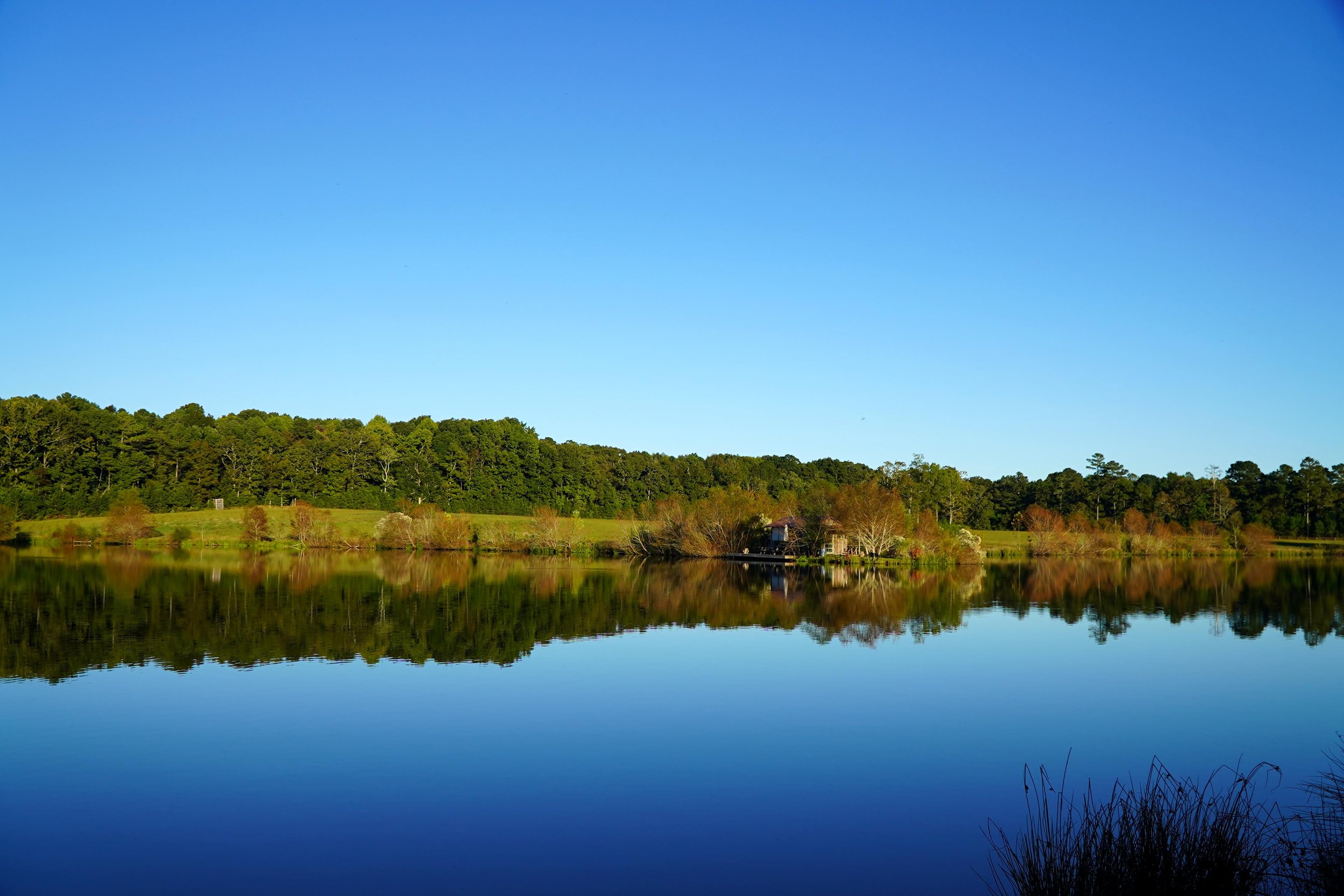
Owl Song resides on land that carries the weight and legacy of former plantations, on ancestral homelands of Indigenous peoples who were displaced from it, and within the broader Southern landscape shaped by the struggle for freedom. We do not steward this place by pretending that history isn't present in the soil. We steward it by learning to hold that history with honesty, grief, and love, and by letting it inform how we build something new together.
Join us…
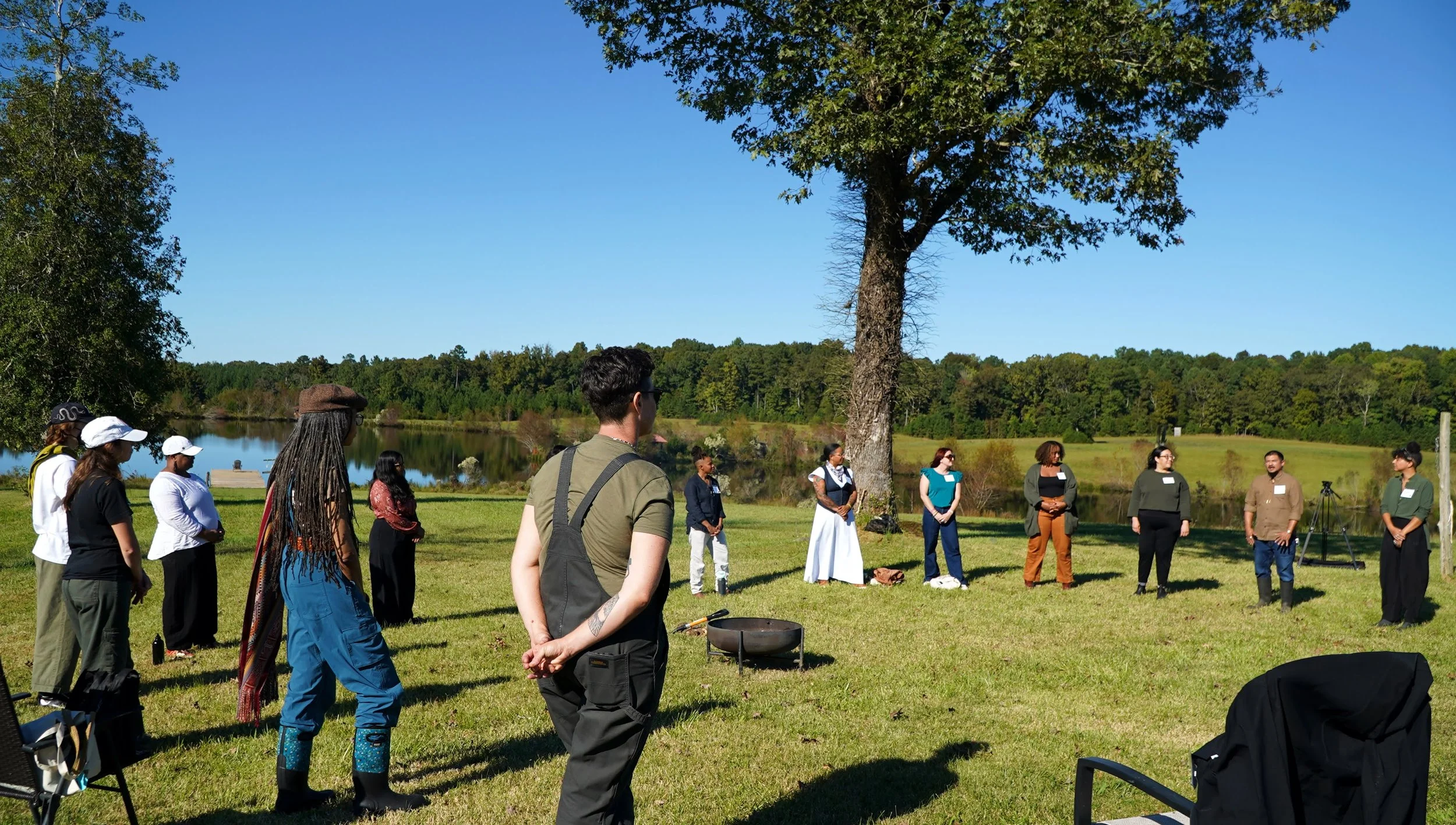
Workshops
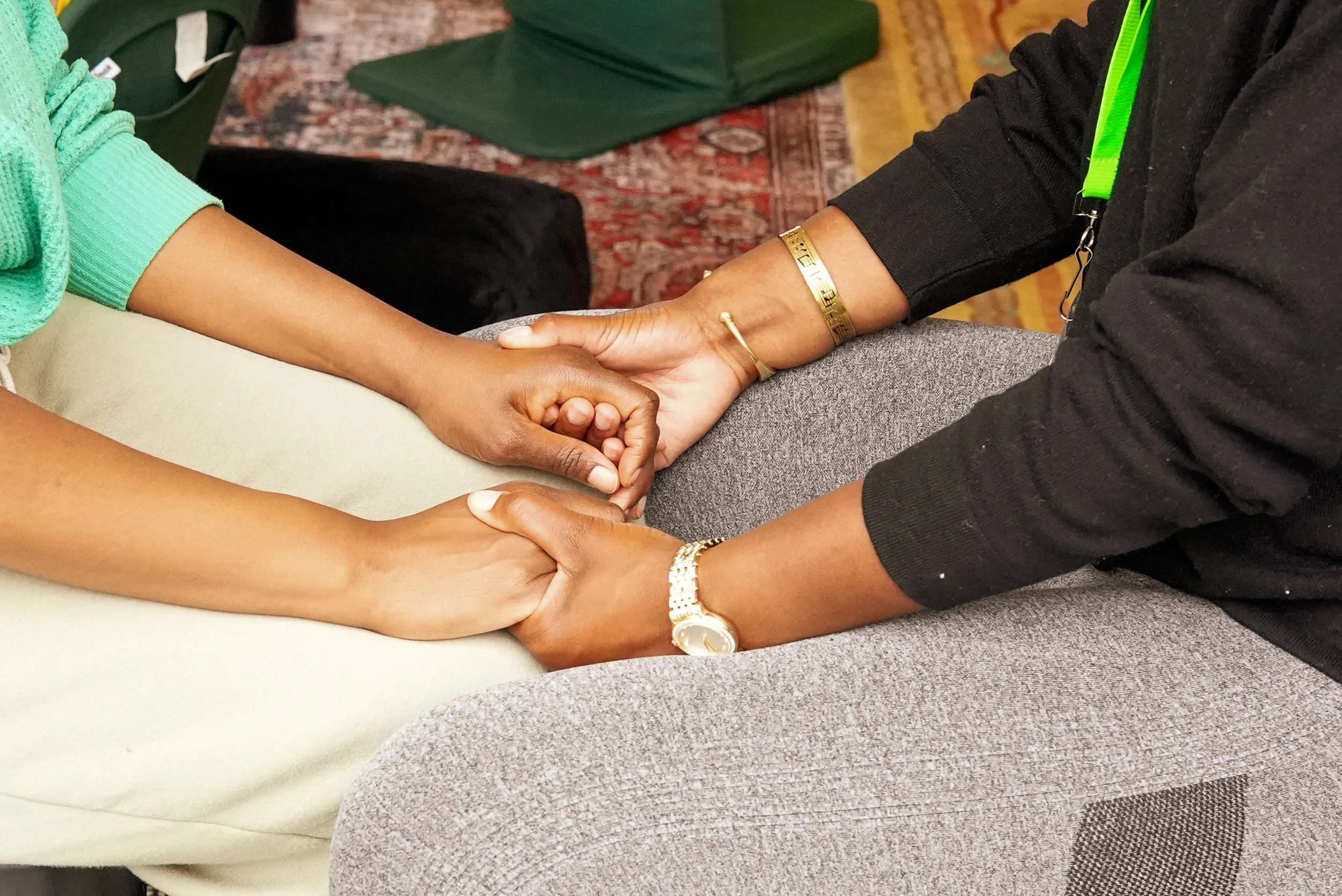
Trainings
To learn more about staying on the land for respite, strategy, or hosting other events: bookings@theembodimentinstitute.org.
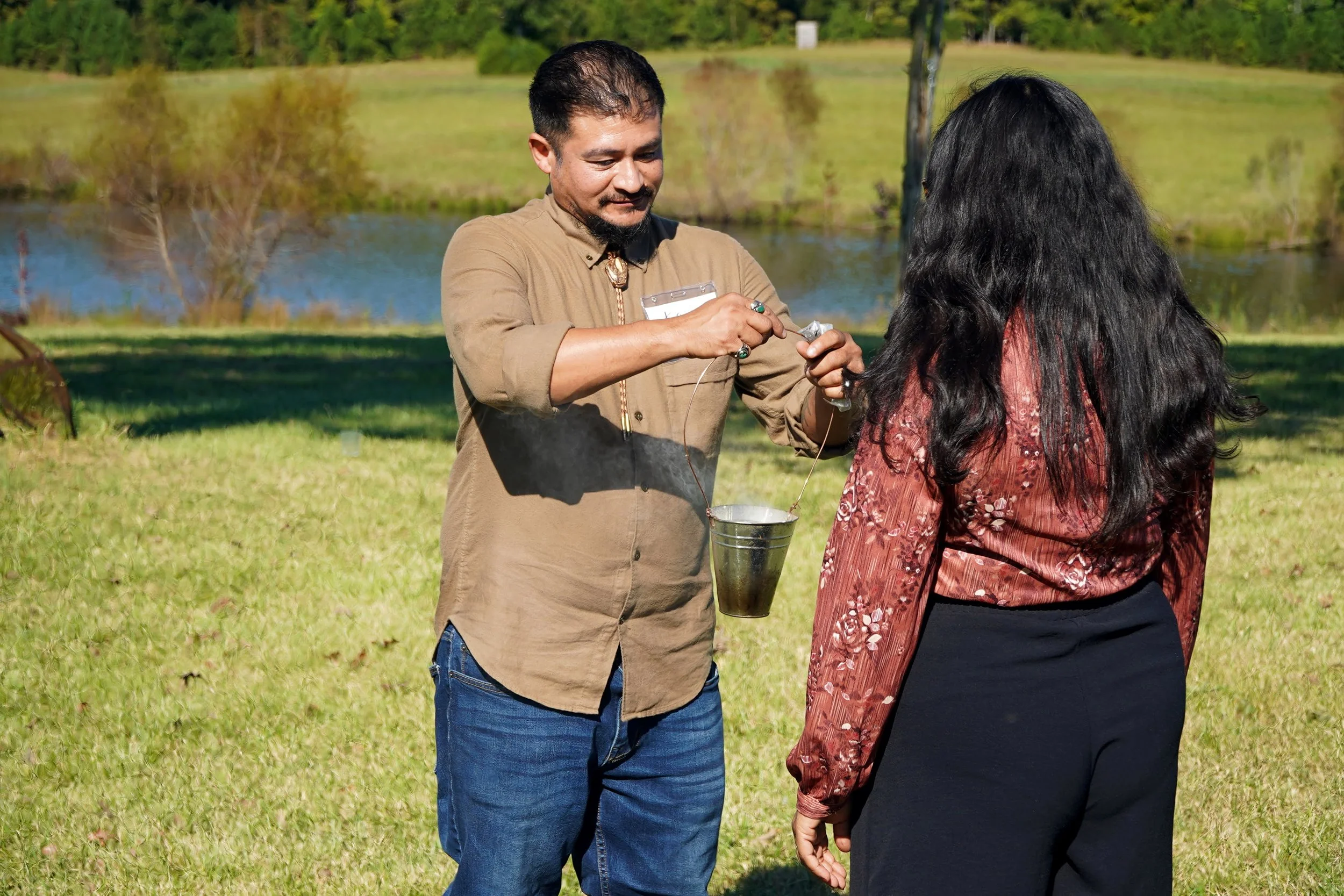
Practices
Resourcing 30+ years of Owl Song’s Future
What our collective future looks like depends on how we respond to what this moment is asking of us.
We are raising significant funds to secure the land, projects and programming, and the possibilities of Owl Song for the long-term. We invite you into practice with us: share knowledge, make introductions, and consider a gift, whether by check, online, or pledged over a few years.
Together, we are building the conditions for becoming the people this time requires.
To discuss this project in more detail and your interest in getting involved, please reach out to: Resource & Engagement Director, Brooks Long — brooks@theembodimentinstitute.org